
Publications & Research

Scientific Excellence, Collaborative Innovation.

From breakthrough research to clinical impact, our work advances organ perfusion, regenerative biotechnology, and surgical innovation through internationally recognized science and strategic collaborations with leading academic and clinical institutions.

An interdisciplinary scientific ecosystem integrating advanced surgery, regenerative biotechnology, organ preservation systems and future biomedical engineering concepts.

Translational Medicine
Regenerative Biotechnology
Organ Perfusion Technologies
Surgical Innovation
Biomedical Engineering
Future Medical Systems
Clinical Evidence

Data-driven, IRB-governed, transparently reported.

Every program is anchored to pre-registered endpoints, reviewed by independent ethics boards, and reported to international registries. Our internal data plane mirrors the rigor expected in late-stage clinical trials.

Evidence-based regenerative medicine — clinical research environment integrating operating room, biotechnology laboratory, and holographic data visualization
Flagship Translational Research Projects

A pioneering program advancing machine perfusion and organ preservation technologies.

TÜBİTAK 1001 · Completed
TÜBİTAK 1001 · Translational Research Project
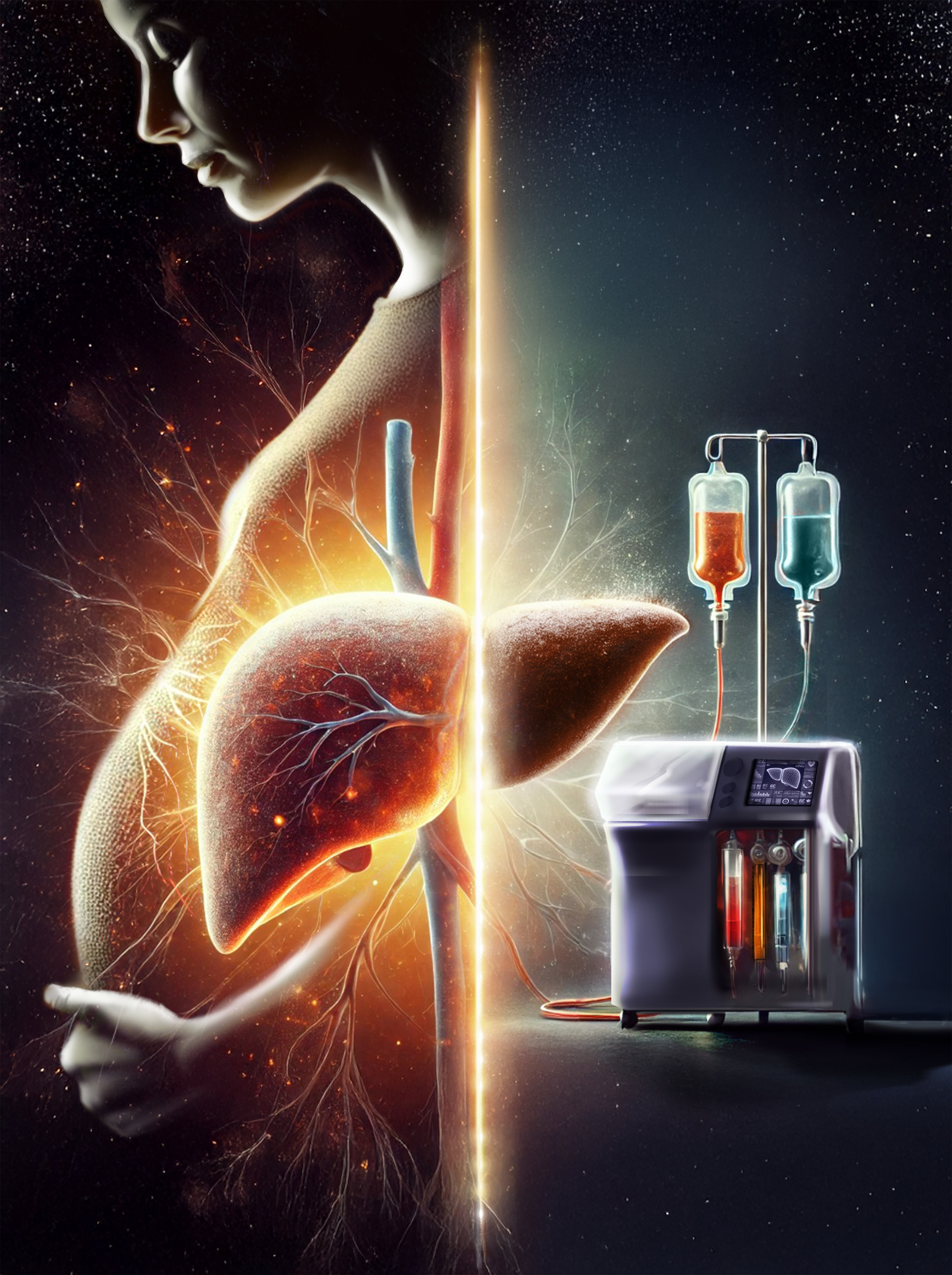
Amniotic Fluid-Based Organ Preservation in Porcine Liver Machine Perfusion — TÜBİTAK 1001 flagship cover visual

Amniotic Fluid-Based Organ Preservation in Porcine Liver Machine Perfusion

Model
Porcine
Organ
Liver
MOD
HMP · +4°C
Perfusate
Amniotic
Translational · Organ Preservation

Evaluation of Amniotic Fluid as a Preservation Solution in Pig Livers Undergoing Hypothermic Oxygenated Machine Perfusion (HOMP)

A TÜBİTAK 1001-funded translational program investigating the use of amniotic fluid as a novel organ preservation and perfusion medium in a porcine liver perfusion model. Combining hypothermic oxygenated machine perfusion with biologically-derived perfusates, the study explores a regenerative pathway toward extended graft viability.

It stands as one of the most comprehensive experimental investigations evaluating amniotic fluid in organ preservation and machine perfusion systems — bridging regenerative biology, perfusion engineering, and translational surgical science.

Translational organ preservation Machine perfusion innovation Regenerative biotech applications Experimental liver perfusion Organ preservation technologies
Journal of Surgical Research
PubMed · Indexed
DANDIN, Özgür, et al. Assessment of Amniotic Fluid as a Preservation Solution in Pig Livers Undergoing Machine Perfusion. Journal of Surgical Research, 2025, Volume 309, Pages 39–61.
DOI10.1016/j.jss.2025.03.041
Volume
309
Pages
39–61
Year
2025
Type
Original
Translational Surgery
Bench-to-OR experimental pipeline.
Regenerative Innovation
Amniotic-derived perfusate biology.
Organ Preservation
Hypothermic oxygenated perfusion.
Multidisciplinary
Surgery · biotech · perfusion eng.
Surgical Biotechnology
Experimental porcine liver model.
Featured Publications · 2010 — 2026

Featured Publications

A dynamic physician-led research ecosystem advancing regenerative medicine, organ preservation and transplantation, translational surgery, biomedical engineering, and next-generation surgical technologies. By integrating scientific discovery with clinical expertise, the platform transforms innovative concepts into impactful solutions that shape the future of patient care.

ALLOrgan PerfusionRegenerative SurgeryExosome ResearchCellular TherapiesTranslational Biotechnology
Diabetic Medicine
In Press · 2026
Comprehensive Review
Cell Therapy

Lantidra (donislecel) in Type 1 Diabetes: Pharmacology, Clinical Effectiveness, Safety, and the Therapeutic Role of the First FDA-Approved Allogeneic Islet Cell Therapy

Aydın K., et al.

DOI10.1111/dme.2026.15921
Citations
3
Impact
4.1
Journal of Surgical Research
Vol. 305 · 2025
Original Research
Perfusion

Assessment of Amniotic Fluid as a Preservation Solution in Pig Livers Undergoing Machine Perfusion

Aydın K., et al.

DOI10.1016/j.jss.2025.04.018
Citations
9
Impact
2.5
Journal of Surgical Research
Vol. 306 · 2025
Clinical Study
Biosensors

In Vivo Clinical Evaluation of Human Intestinal Tissue Viability Using a Spectroscopic Method

Aydın K., et al.

DOI10.1016/j.jss.2025.06.041
Citations
5
Impact
2.5
Journal of Pharmaceutical and Biomedical Analysis Open
Vol. 12 · 2025
Original Research
Bioanalytics

Extraction and HPLC Analysis of Caffeic Acid Phenethyl Ester (CAPE) from Propolis and Honey Samples Collected from Different Regions of Türkiye

Aydın K., et al.

DOI10.1016/j.jpbao.2025.100057
Citations
2
Impact
AEU – International Journal of Electronics and Communications
Vol. 178 · 2024
Original Research
Biomed. Eng.

Optically Controlled Tissue-Independent Reconfigurable Antenna for Body-Centric Communications at 2.4 GHz ISM Band

Aydın K., et al.

DOI10.1016/j.aeue.2024.155306
Citations
11
Impact
3.2
Archives of Medical Science
Featured Article
Regenerative Healing

Effect of Platelet-Rich Plasma on Postoperative Peritoneal Inflammation and Adhesions

DOI10.5114/aoms.2020.94538
Hippokratia
Featured Article
Surgical AI

Automated Computer-Aided Diagnosis of Splenic Lesions Due to Abdominal Trauma

DOI
Hippokratia
Featured Article
Organ Perfusion

The Relevance Between Graft Preservation Solutions and QTc Interval During Living Donor Kidney Transplantation and Rat Cardiomyocytes Sampling

DOI
Publication Timeline

16 years of indexed scholarship

1
10
1
11
2
12
6
13
4
14
10
15
13
16
7
17
5
18
2
19
5
20
5
21
2
22
2
23
2
24
4
25
1
26
72
Indexed papers
53
Journals
14
Research areas
16y
Publication span
Research Distribution

Multidisciplinary footprint

  • Transplantation & Immunology28%
  • Surgical Oncology & GI22%
  • Perfusion & Regenerative20%
  • Biomedical Engineering14%
  • Proctology & Reconstructive16%
Scientific Research Ecosystem

Research Areas

A multidisciplinary research ecosystem spanning translational medicine, organ preservation and transplantation, biomedical engineering, regenerative technologies, and advanced surgical innovation—bridging scientific discovery with clinical impact.

Organ Transplantation
Liver, kidney and multi-organ recipient programs.
Organ Perfusion Technologies
Normothermic & hypothermic ex-vivo platforms.
Regenerative Medicine
Cellular, exosomal and matrix-based therapeutics.
Islet Cell Transplantation
Allogeneic and engineered islet platforms.
Transplantation Immunology
AMR, rejection biomarkers and tolerance.
Surgical Oncology
Hepatobiliary, endocrine and GI oncology.
Minimally Invasive Surgery
Laparoscopic & advanced endoscopic platforms.
Robotic Surgery
Next-gen robotic & AI-assisted operative systems.
Biomedical Engineering
Implantable hardware, antennas and embedded sensing.
Biosensor Technologies
Spectroscopic and telemetric tissue monitoring.
Translational Biotechnology
Bench-to-OR translational pipelines.
Proctology & Pelvic Floor
Anal fistula, fecal incontinence, rectocele, hemorrhoidal disease
Regenerative Wound Healing
PRP, biomatrices and adhesion biology.
Advanced Surgical Innovation
Energy devices, AI guidance & deep-tech medtech.

Academic & Clinical Network

We co-develop programs with clinical centers, academic groups, and industry partners across Europe and the broader region — under formal research agreements and IRB oversight.

Akdeniz University
Faculty of Medicine · Antalya
Antalya Teknokent
Translational R&D campus
ESOT Working Group
European Society for Organ Transplantation
TÜBİTAK MAM
Life Sciences Institute
TÜSEB
Health Institutes of Türkiye
ILTS Consortium
Intl. Liver Transplantation Society
EU Clinical Centers
Selected partners (under NDA)
Flagship TÜBİTAK 1001 Translational Research Project
STATUS · Successfully Completed

Implantable Biotelemetry for Vascular Pressure Monitoring

A TÜBİTAK 1001 program delivering an implantable, RF-based biotelemetry platform for continuous, real-time vascular pressure monitoring — uniting transplantation surgery, biomedical engineering and next-generation biosensor technology.

PROGRAM
TÜBİTAK 1001
PROJECT NO.
121E369
COORDINATOR
Prof. Dr. S. C. Başaran
STATUS
Successfully Completed

Maintaining vascular patency following organ transplantation, critical limb ischemia surgery, and traumatic vascular reconstruction is one of the key determinants of postoperative tissue viability and overall surgical success.

Conventional monitoring methods—including Doppler ultrasonography, computed tomography, and scheduled imaging assessments—provide information only at discrete time points, are operator-dependent, and cannot detect silent or transient hemodynamic changes that may occur between planned evaluations.

The system developed within this project introduces a next-generation implantable biotelemetry platform capable of continuous, real-time monitoring of vascular pressure through RF-based wireless communication technology. By enabling dynamic physiological monitoring without restricting patient mobility or comfort, the platform offers a transformative approach to postoperative vascular surveillance and precision clinical decision-making.

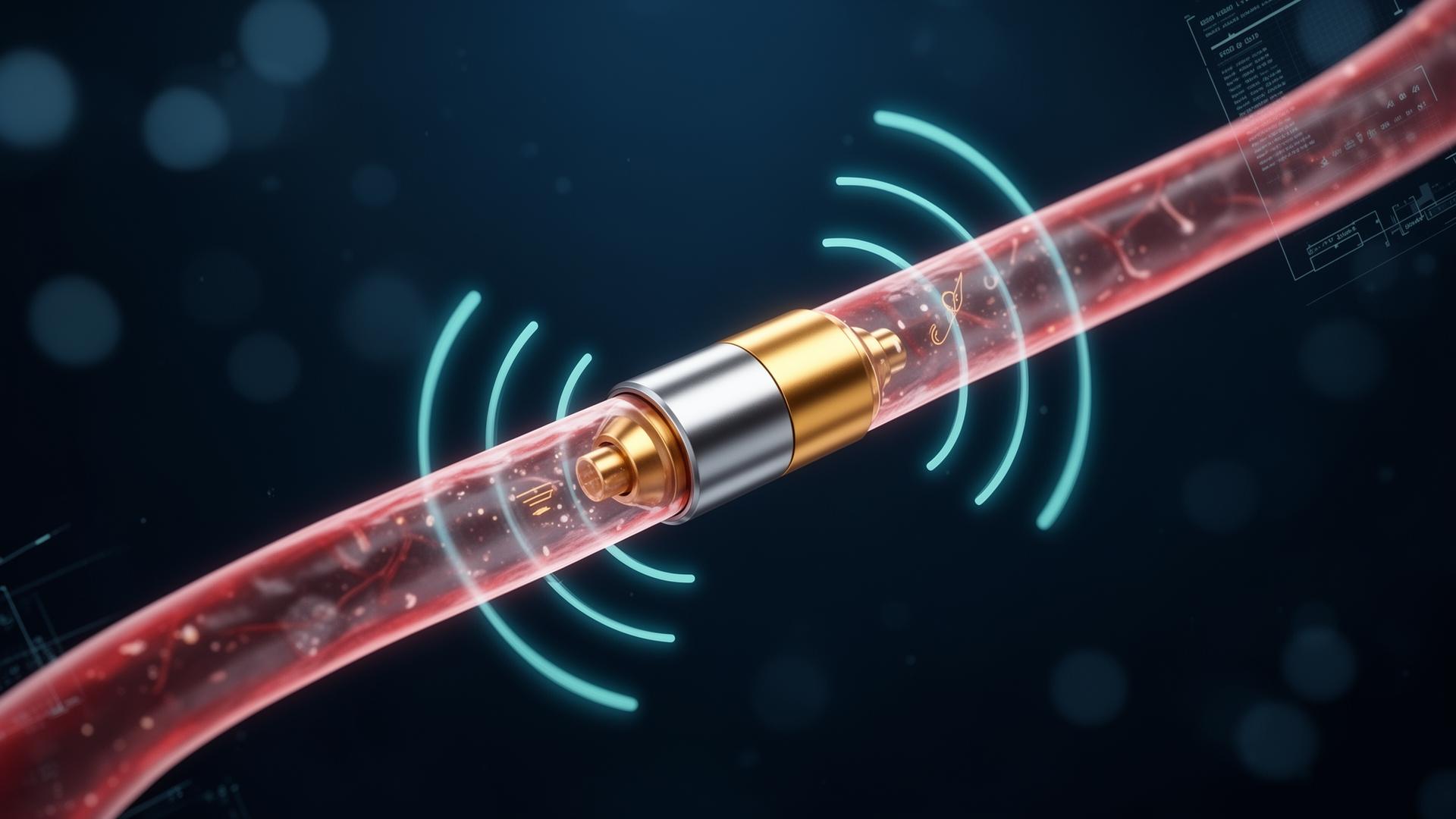
Implantable biotelemetry device wrapped around a vascular structure, transmitting wireless RF signals for real-time pressure monitoring.

Technology Architecture

Three vertically integrated subsystems — implantable hardware, dual-band wireless telemetry, and a biocompatible vascular biosensor — engineered to operate continuously inside the living body.

Implantable Internal System
  • Biosensor module
  • Integrated circuit board
  • Implantable battery
  • Implantable antenna system
  • Biocompatible implant capsule
Wireless Telemetry System
  • 403 MHz MICS-band communication
  • 2.4 GHz ISM control communication
  • Dynamic RF-based pressure transmission
  • Intelligent energy-saving sleep mode
Biosensor Innovation
  • Biocompatible vascular pressure sensor
  • Implantable microcable integration
  • Dynamic vascular monitoring
  • Real-time physiologic signal acquisition

Scientific & Clinical Impact

Real-Time Postoperative Monitoring
Continuous vascular surveillance replaces episodic imaging windows.
Transplant Surgery Innovation
Early detection of anastomotic compromise after hepatic reconstruction.
Intelligent Surgical Follow-up
Embedded decision support across the postoperative trajectory.
Biomedical Engineering Integration
End-to-end implantable electronics, firmware and RF stack.
Next-Generation Implantable Medtech
Foundation for a domestic implantable biotelemetry platform.
Translational Surgical Technology
Bridges surgical practice, biosensors and embedded systems.

The project represents one of the pioneering national translational biomedical engineering initiatives in implantable vascular biotelemetry technologies, and demonstrates clear future commercialization potential as an advanced domestic medical technology platform.

TRANSLATIONAL MEDICAL DEVICE

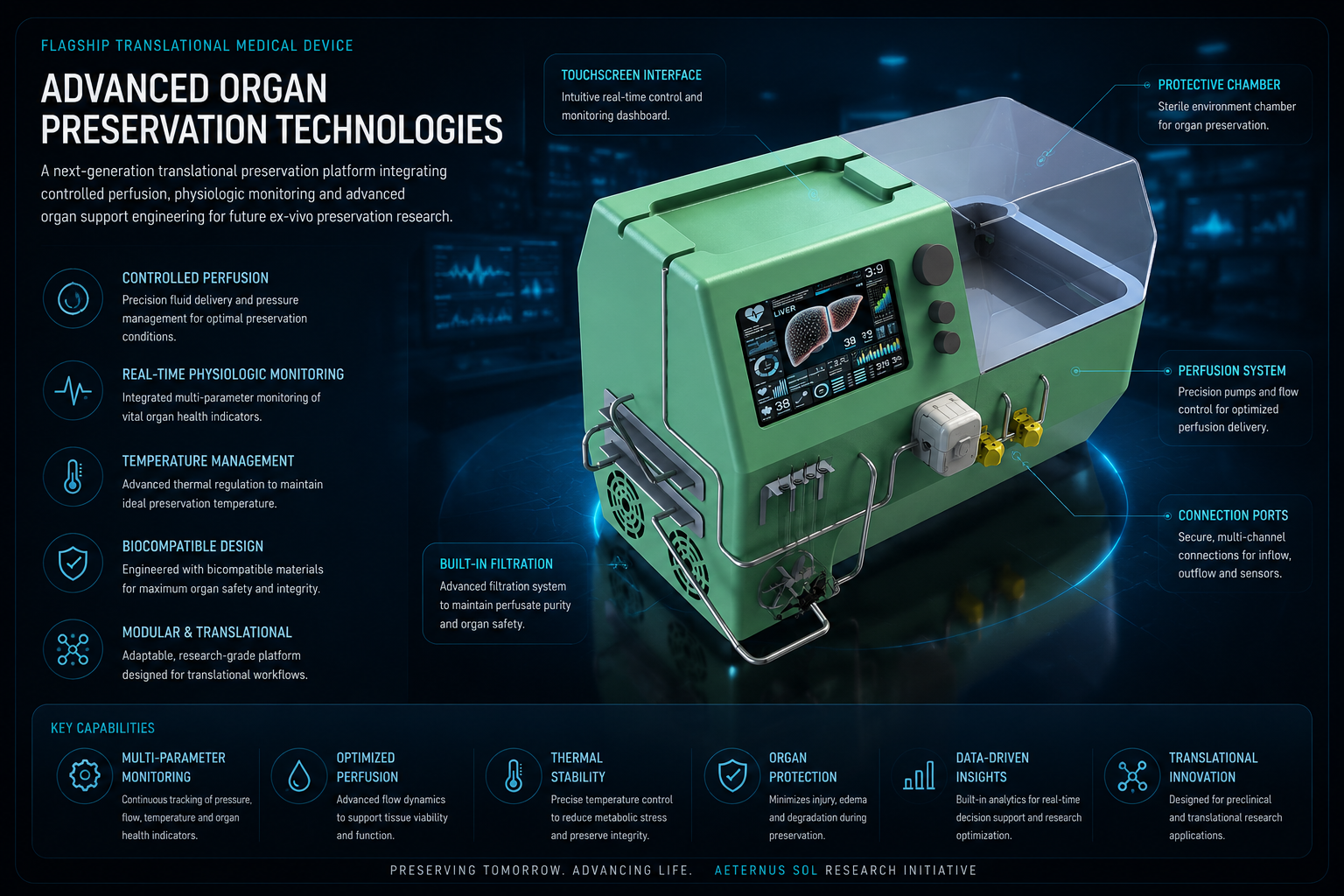
Advanced Organ Preservation Technologies

Development of a Normothermic Machine Perfusion Device for liver transplantation — a next-generation organ support and preservation platform engineered to extend graft viability, optimize physiologic monitoring and accelerate translational transplantation science.

PROGRAM
Akdeniz University
Infrastructure R&D Project
STATUS
Device Development
In Progress
TARGET
August 2027
Completion Horizon
DOMAIN
Liver Transplantation
Normothermic Perfusion
Flagship translational organ preservation device — normothermic machine perfusion platform with integrated physiologic monitoring interface.
ASB-NMP-01 · Flagship Translational DeviceA next-generation translational preservation platform integrating controlled perfusion, physiologic monitoring and advanced organ support engineering for future ex-vivo preservation research.
Perfusion Lab · Live Simulation
AS-PERF · Unit 07

Ex-Vivo Perfusion Chamber

ONLINE
O₂PUMPCHAMBER · AS-07NORMOTHERMIC · 37°CSECURE LINKAES-256
Temp
37.0°C
Flow
717 ml/m
O₂ Sat
97.8%
pH
7.42
AI Co-Pilot · v3.2

Graft Viability Index

82.0
TRANSPLANT-READY
  • Hepatic artery flow nominal
  • Lactate clearance trending ↓
  • Bile production within target
Mode Profile

Body-temperature ex-vivo perfusion enabling real-time viability assessment, drug delivery, and ex-vivo therapeutic intervention prior to transplantation.

Lactate
1.45
mmol/L
Bile
8.3
ml/h
Cycle
1
min
Scientific Overview

A next-generation normothermic organ support platform

The project advances a normothermic machine perfusion (NMP) system designed to maintain the donor liver in a physiologic, metabolically active state outside the body. By integrating dynamic circulation, oxygenation support and intelligent biomedical monitoring, the platform aims to extend safe preservation windows, rescue marginal grafts and enable ex-vivo therapeutic intervention prior to transplantation.

Transplantation Surgery
Organ Perfusion Engineering
Regenerative Biotechnology
Real-Time Physiologic Monitoring
Intelligent Biomedical Systems
Translational Medicine
Translational Pipeline

Transforming Innovation into Clinical Solutions

  1. 01
    Device Engineering
    Mechanical, hydraulic and electronic subsystems integrated into a clinical-grade chassis.
  2. 02
    Ex-Vivo Validation
    Porcine liver perfusion trials to characterize circulation, oxygenation and viability metrics.
  3. 03
    Translational Studies
    Marginal graft rescue, regenerative perfusates and ex-vivo therapeutic protocols.
  4. 04
    Clinical Translation
    Pathway toward human liver transplantation programs and domestic medtech deployment.
Technology Features

Engineered for physiologic precision

Eight integrated capabilities defining a next-generation organ preservation architecture.

Normothermic Liver Perfusion
37°C physiologic environment maintaining hepatic metabolism ex-vivo.
Physiologic Organ Preservation
Continuous circulation replicating in-vivo hemodynamic conditions.
Dynamic Circulation Systems
Pulsatile and continuous flow regimens with adaptive control.
Oxygenation Support
Membrane oxygenator with O₂/CO₂ gas exchange optimization.
Intelligent Monitoring Interfaces
Real-time dashboards for pressure, flow, temperature and biomarkers.
Perfusion Parameter Control
Closed-loop regulation of flow, temperature and perfusate composition.
Organ Viability Optimization
Lactate clearance, bile production and hepatocellular integrity tracking.
Biomedical Engineering Integration
Embedded sensors, microcontrollers and clinical-grade safety architecture.
R&D Positioning

Academic-Industrial Innovation

The project is supported as an Akdeniz University infrastructure development initiative, focused on advancing next-generation transplantation technologies and domestic biomedical engineering capacity in advanced organ preservation systems.

Akdeniz University · Infrastructure R&D
Future Vision

Toward extended preservation horizons

  • Extended organ preservation windows
  • Improved transplantation outcomes
  • Intelligent organ monitoring architectures
  • Advanced transplantation support systems
  • Future commercialization potential
  • Domestic biomedical technology development

An integrated ecosystem of regenerative surgery, liver transplantation, organ perfusion systems, translational biotechnology and intelligent medical technologies.

Surgery · Transplantation · Perfusion · Biomedical Engineering
TÜSEB · B Group Support Program · 2025-B-01

Ongoing Nationally Funded Translational Research Projects

TUSEB Supported Advanced Regenerative Medicine & Transplantation Research Programs

These initiatives are actively supported under the TÜSEB B Group Support Program and continue within an advanced translational surgery and regenerative biotechnology research infrastructure — bridging organ perfusion engineering, cellular therapy and nanobiotechnology.

TÜSEB B Group · ActiveCall Code · 2025-B-01Project · 01

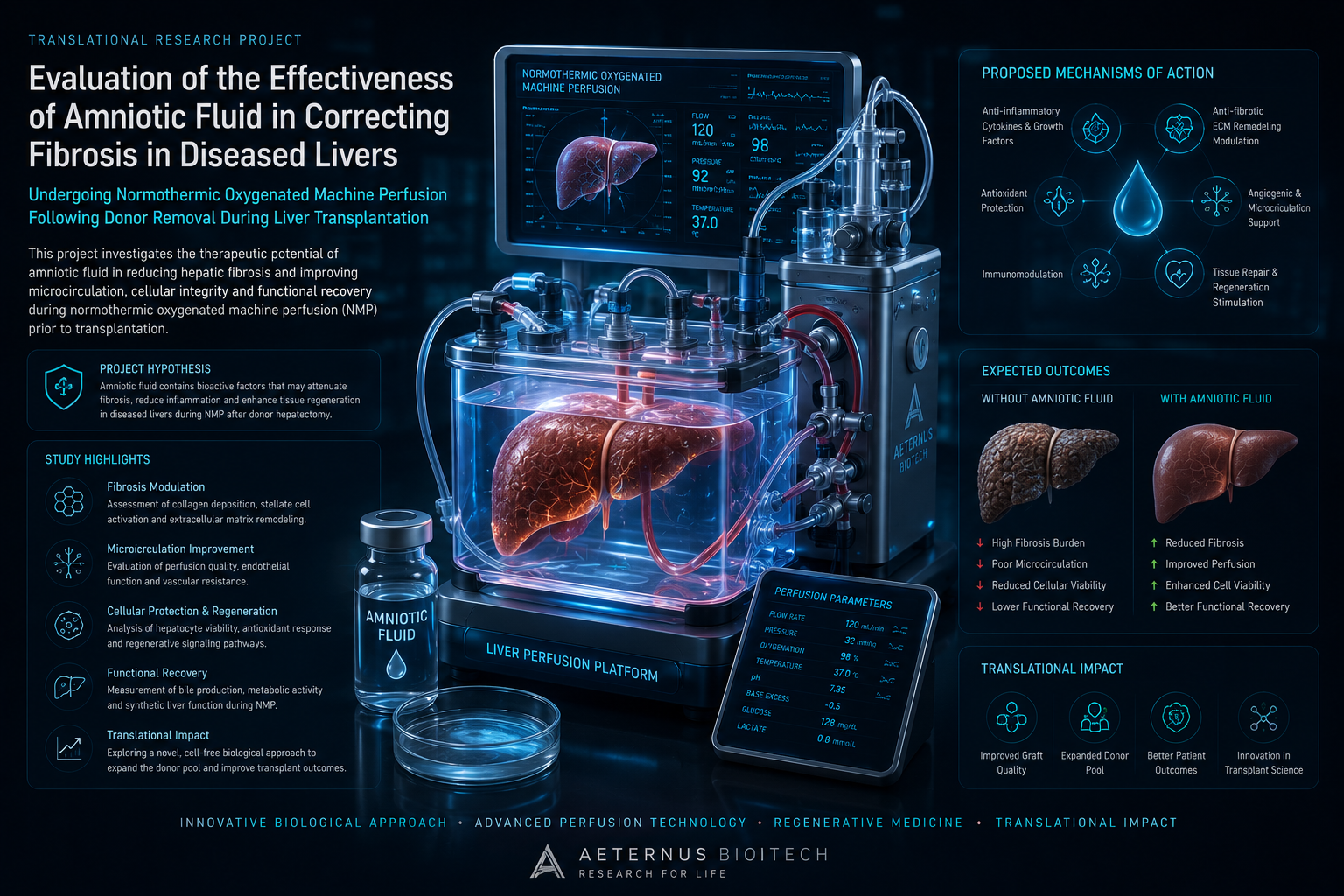
Evaluation of the Effectiveness of Amniotic Fluid in Correcting Fibrosis in Diseased Livers Undergoing Normothermic Oxygenated Machine Perfusion Following Donor Removal During Liver Transplantation

A translational program investigating normothermic oxygenated machine perfusion (NMP) as a regenerative platform for fibrosis modulation in marginal donor livers. The study integrates amniotic fluid–based regenerative biology with advanced perfusion engineering to extend graft viability, remodel hepatic fibrotic architecture and expand the eligible donor pool for transplantation.

Normothermic O₂ Perfusion
Liver Fibrosis Modulation
Amniotic Fluid Regeneration
Translational Transplantation
Advanced Perfusion Systems
Regenerative Organ Preservation
Perfusion Lab · Live Simulation
AS-PERF · Unit 07

Ex-Vivo Perfusion Chamber

ONLINE
O₂PUMPCHAMBER · AS-07NORMOTHERMIC · 37°CSECURE LINKAES-256
Temp
37.0°C
Flow
717 ml/m
O₂ Sat
97.8%
pH
7.42
AI Co-Pilot · v3.2

Graft Viability Index

82.0
TRANSPLANT-READY
  • Hepatic artery flow nominal
  • Lactate clearance trending ↓
  • Bile production within target
Mode Profile

Body-temperature ex-vivo perfusion enabling real-time viability assessment, drug delivery, and ex-vivo therapeutic intervention prior to transplantation.

Lactate
1.45
mmol/L
Bile
8.3
ml/h
Cycle
1
min
+4°C · pH 7.41
Hypothermic
100% O₂
Oxygenated
AF v1
Amniotic Fluid
Translational Research Infographic · NMP Platform Hypothermic · +4°C · pH 7.41
Translational research infographic — Evaluation of amniotic fluid in correcting fibrosis in diseased livers undergoing normothermic oxygenated machine perfusion, featuring liver perfusion platform, proposed mechanisms of action, expected outcomes and translational impact.
Premium translational research infographic illustrating the liver perfusion platform, proposed mechanisms of action of amniotic fluid, expected outcomes with and without amniotic fluid, and translational impact for graft quality and donor pool expansion.
TÜSEB B Group · ActiveCall Code · 2025-B-01Project · 02

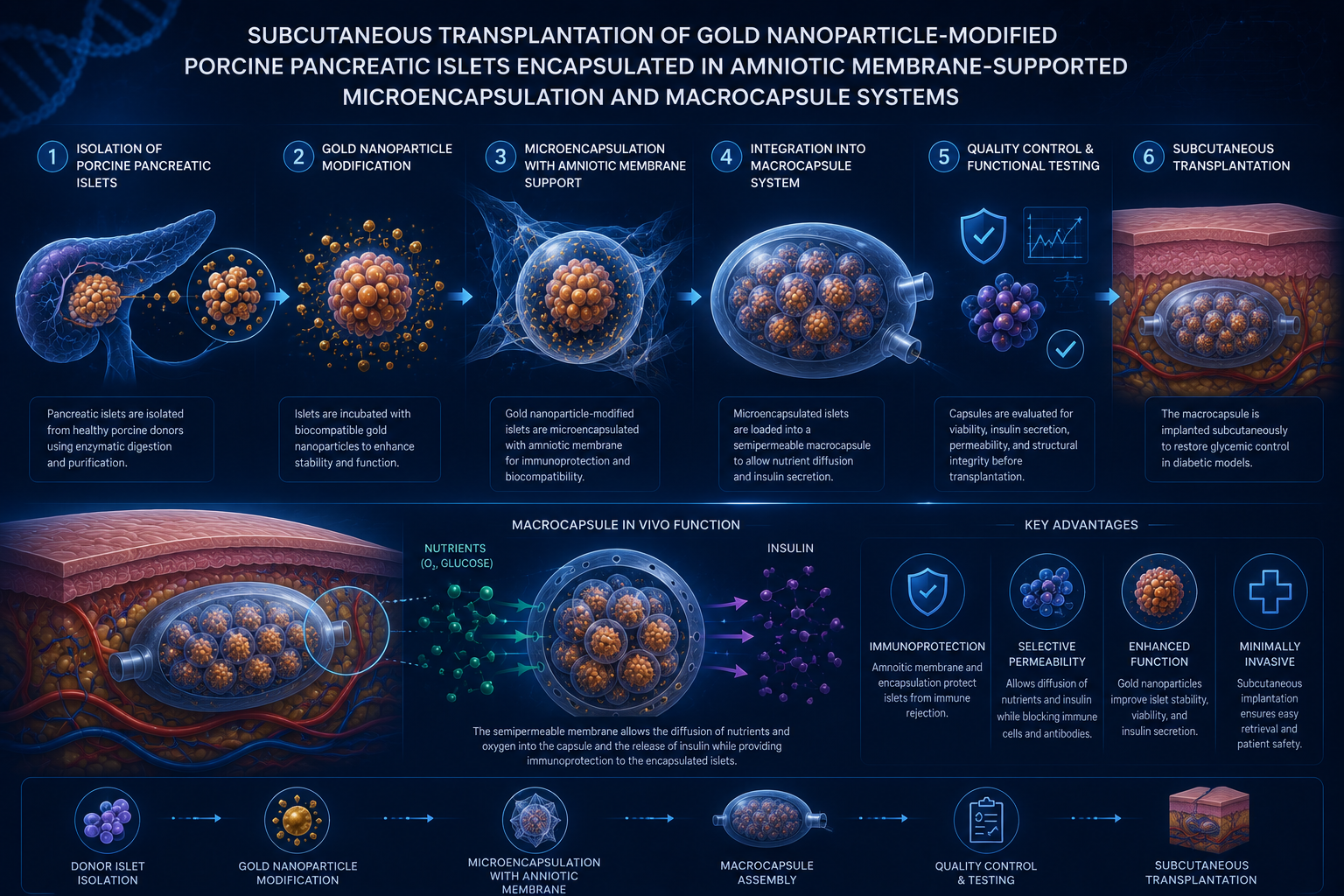
Subcutaneous Transplantation of Gold Nanoparticle-Modified Porcine Pancreatic Islet Cells Encapsulated with Amniotic Membrane-Supported Microencapsulation and Macrocapsule Systems in Diabetic Pig Models

A nanobiotechnology-driven cellular therapy platform integrating gold nanoparticle-modified porcine pancreatic islets with amniotic membrane-supported micro and macroencapsulation technologies. This approach develops subcutaneously implantable cellular therapy systems aiming to provide immunoprotective encapsulation, sustained insulin secretion and scalable transplantation solutions for type 1 diabetes in large-animal models.

Pancreatic Islet Transplantation
Gold Nanoparticle Modification
Micro & Macro Encapsulation
Amniotic Membrane Bioscaffold
Diabetes Regenerative Therapy
Translational Cellular Therapy
Subcutaneous transplantation of gold nanoparticle-modified porcine pancreatic islets encapsulated in amniotic membrane-supported microencapsulation and macrocapsule systems — translational research infographic
Scientific Impact

Translational frontiers across surgery, biology and engineering

Translational Transplantation Innovation
Bridging perfusion engineering with regenerative surgery.
Regenerative Biotechnology
Amniotic-derived biologics for tissue restoration.
Organ Preservation Technologies
Extending graft viability beyond conventional limits.
Nanobiotechnology Integration
Gold nanoparticle–enhanced cellular constructs.
Advanced Cellular Therapies
Encapsulated islet platforms for metabolic disease.
Experimental Surgical Innovation
Large-animal translational models of clinical fidelity.
Biomedical Engineering Collaboration
Multidisciplinary perfusion and biosensor integration.
Internationally Aligned Research
Programs structured to global transplantation standards.
TÜSEB · D Group · Advanced Medical Device Development

Next-Generation Artificial Organ & Extracorporeal Support Technologies

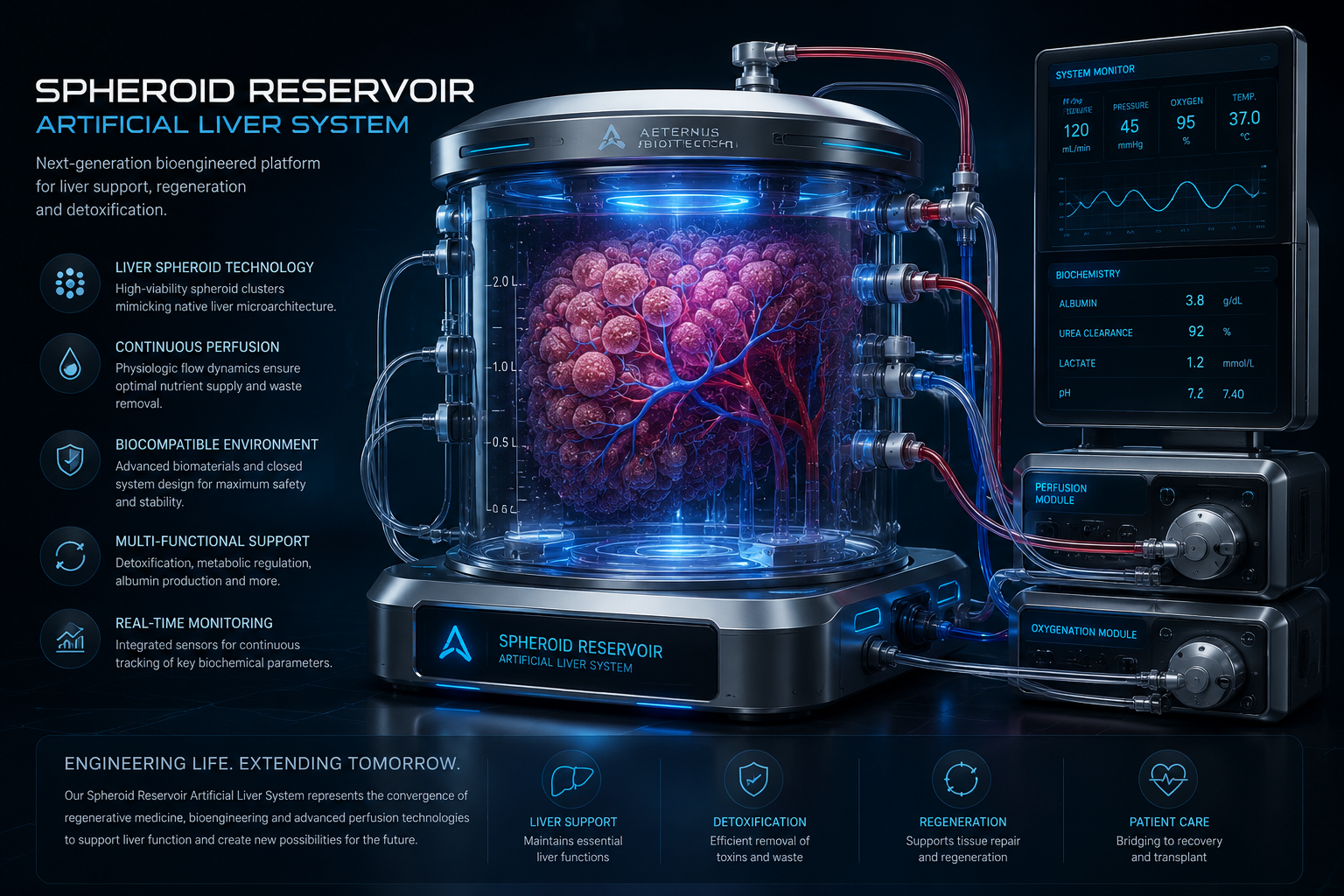
A flagship initiative engineering a modular, MDR Class III–compliant extracorporeal liver support platform — bridging acute and acute-on-chronic liver failure patients to transplantation through intelligent bioreactor-driven organ support technology.

Spheroid Reservoir Artificial Liver Support Platform — bioengineered modular bioreactor with continuous perfusion, oxygenation modules and real-time biochemical monitoring.
ASB-ORG-01 · Flagship PlatformSpheroid Reservoir Artificial Liver Support Platform
Advanced Medical Device Technology · Flagship Project

Development of an MDR Class III Compliant Modular Bioreactor-Based Extracorporeal Liver Support Device and Preparation for CE Certification

Acute and acute-on-chronic liver failure represent life-threatening clinical conditions with limited therapeutic options and high mortality rates. Liver transplantation remains the definitive treatment; however, donor shortages and time limitations create a critical need for advanced extracorporeal liver support technologies capable of bridging patients to transplantation or supporting metabolic stabilization during liver regeneration.

This project develops a next-generation modular extracorporeal liver support platform designed under MDR Class III medical device standards with future CE certification readiness — integrating bioreactor architecture, intelligent circulation control and clinical-grade safety systems within a unified, scalable medtech ecosystem.

₺100M
Proposed Budget
24 mo
Duration
TRL 2 → 7
Maturity Target
MDR III
Device Class
CE
Certification Path
ISO 13485
Quality System
Technology Architecture

Modular Bioreactor · Extracorporeal Support · Medical Device Engineering

Modular Bioreactor Platform

  • Modular extracorporeal circulation architecture
  • Scalable bioreactor integration
  • Adaptable clinical support modules
  • Intelligent biomedical system design

Extracorporeal Support System

  • Controlled flow management
  • Pressure regulation systems
  • Temperature control technologies
  • Advanced circulation safety mechanisms
  • Modular therapeutic support infrastructure

Advanced Medical Device Engineering

  • MDR Class III device architecture
  • CE readiness strategy
  • ISO 13485 integration
  • Risk management systems
  • Clinical evaluation planning
  • Technical documentation infrastructure
Extracorporeal System · Live Visualization

Bioreactor-Driven Liver Support · Intelligent Circulation Interface

A real-time visualization of modular extracorporeal support — integrating pulsatile flow, pressure regulation, oxygenation and AI-assisted monitoring under MDR Class III safety architecture.

Perfusion Lab · Live Simulation
AS-PERF · Unit 07

Ex-Vivo Perfusion Chamber

ONLINE
O₂PUMPCHAMBER · AS-07NORMOTHERMIC · 37°CSECURE LINKAES-256
Temp
37.0°C
Flow
717 ml/m
O₂ Sat
97.8%
pH
7.42
AI Co-Pilot · v3.2

Graft Viability Index

82.0
TRANSPLANT-READY
  • Hepatic artery flow nominal
  • Lactate clearance trending ↓
  • Bile production within target
Mode Profile

Body-temperature ex-vivo perfusion enabling real-time viability assessment, drug delivery, and ex-vivo therapeutic intervention prior to transplantation.

Lactate
1.45
mmol/L
Bile
8.3
ml/h
Cycle
1
min
Innovation Highlights

Engineering the Future of Artificial Organ Support

Modular Bioreactor Engineering
Reconfigurable cartridge architecture for scalable hepatic support.
Intelligent Extracorporeal Circulation
Closed-loop pressure, flow and oxygenation control.
Adaptable Clinical Architecture
Patient-specific therapy protocols and modular interfaces.
MDR Class III Compliance Strategy
Built from inception against Annex I & II requirements.
CE Certification Preparation
Notified body engagement and pre-market dossier.
Translational Intensive Care Tech
Designed for ICU and transplantation bridging workflows.
Advanced Patient Safety Systems
Multi-layer fault detection and fail-safe circulation.
Domestic High-Value Medtech
Sovereign biomedical innovation with global ambition.
Preclinical & Regulatory Development

Translational Pipeline · TRL 6 → 7 → 8

THS 6

Engineering & Preclinical Validation

  • Mechanical and functional device design
  • Preclinical safety analysis
  • Performance validation
  • Risk assessment systems
THS 7

Clinical-Use Simulation & Field Studies

  • User experience studies
  • Field testing
  • Preclinical clinical-use simulations
  • Clinical evaluation planning
THS 8

Regulatory & Manufacturing Readiness

  • MDR Annex I & II technical documentation
  • ISO 13485 quality integration
  • CE certification preparation
  • Notified body application readiness
  • Pre-market manufacturing optimization
Future of Artificial Organ Support

A sovereign platform for intelligent organ support and next-generation transplantation care.

This program advances domestic high-value medtech development, reduces healthcare dependency on imported critical-care technologies, and establishes a sustainable foundation for the future commercialization of artificial organ support systems within Türkiye and international markets.

Regenerative SurgeryLiver TransplantationArtificial Organ TechnologiesOrgan Perfusion SystemsTranslational BiotechnologyBiomedical EngineeringCritical Care InnovationAdvanced Surgical Technologies
Reduced
Import Dependency
Sovereign
Medtech Innovation
Sustainable
Biomedical Pipeline
Commercial
Future Readiness
Intelligent
Organ Support
ICU-Grade
Critical Care
Flagship Surgical Innovation · Intelligent Energy Platform

Next-Generation Intelligent Liver Surgery Technologies

Advanced Surgical Biotechnology · Intelligent Energy-Based Surgical Systems

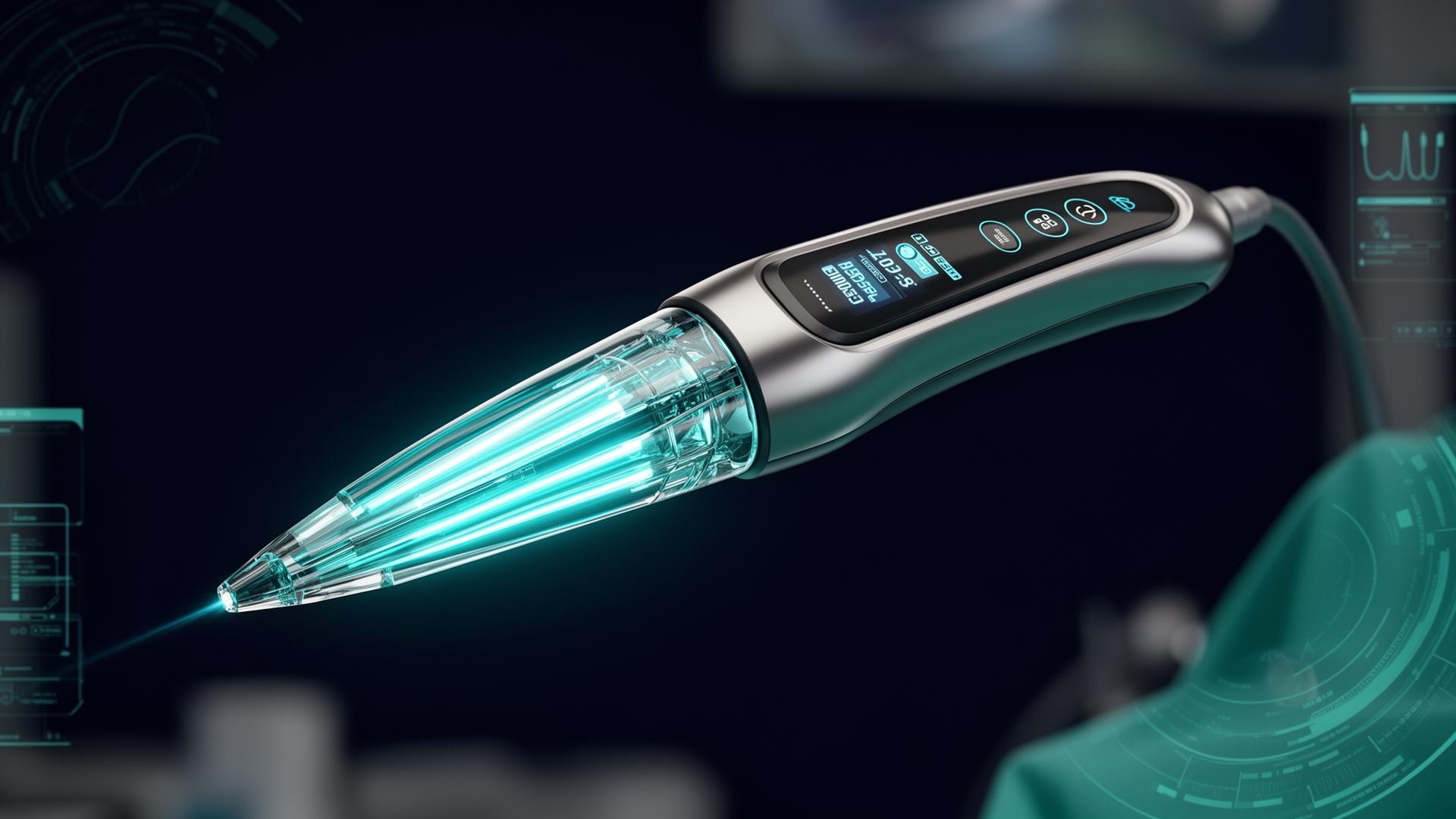
Development of an Externally Activated Intelligent Liver Partitioning System — a next-generation surgical platform integrating intelligent energy delivery, controlled tissue interaction and advanced surgical guidance concepts engineered for advanced hepatopancreatobiliary surgery and precision liver transection procedures.

Externally Activated Intelligent Liver Partitioning Device — flagship surgical platform
AS-LIVER · EAILPS-01
Class III · Investigational
Energy
Modulated
Targeting
Sub-mm
Safety
AI-Guarded
Technology Concept

Externally Activated Intelligent Liver Partitioning System

An intelligent surgical platform engineered for precision liver transection — combining externally modulated energy delivery, controlled tissue interaction, and AI-assisted intra-operative guidance for advanced hepatopancreatobiliary procedures.

Activation
External · Modulated
Targeting
Precision Tissue
Safety
Intelligent Architecture
Interface
AI-Assisted OR
Intelligent Activation Platform

Externally Modulated Energy Delivery

  • Externally activated surgical system
  • Controlled energy modulation profiles
  • Precision tissue targeting envelope
  • Advanced surgical interaction technologies
  • Intelligent safety architecture
Precision Liver Surgery System

Controlled Hepatic Partitioning

  • Liver partitioning concepts
  • Controlled tissue separation
  • Advanced hepatobiliary surgery integration
  • Minimally invasive surgical compatibility
  • Translational surgical engineering
Advanced Surgical Interface

AI-Assisted Operating Room

  • Intelligent monitoring dashboard
  • Surgical parameter visualization
  • Precision control systems
  • Futuristic operating room integration
  • AI-assisted surgical interface aesthetics
Innovation Highlights

Premium Surgical Innovation Vectors

Externally Activated

Intelligent surgical activation outside the operative field.

Energy-Based Systems

Modulated energy as a precision surgical instrument.

Precision Hepatobiliary

Sub-millimeter partitioning of liver parenchyma.

Tissue Interaction Control

Adaptive interaction profiles for safe transection.

Minimally Invasive Ready

Compatible with laparoscopic and robotic platforms.

Smart Device Engineering

Embedded sensors with AI safety supervision.

AI-Assisted Surgery

Intra-operative intelligence and decision support.

Next-Gen OR Technology

Designed for the operating room of the next decade.

Future Horizons · Frontier R&D

Future Technologies Frontier Research

Exploring the future of regenerative medicine, organ preservation and advanced human support technologies — a long-horizon translational research agenda spanning biobanking, cellular therapy, perfusion engineering and intelligent biomedical systems.

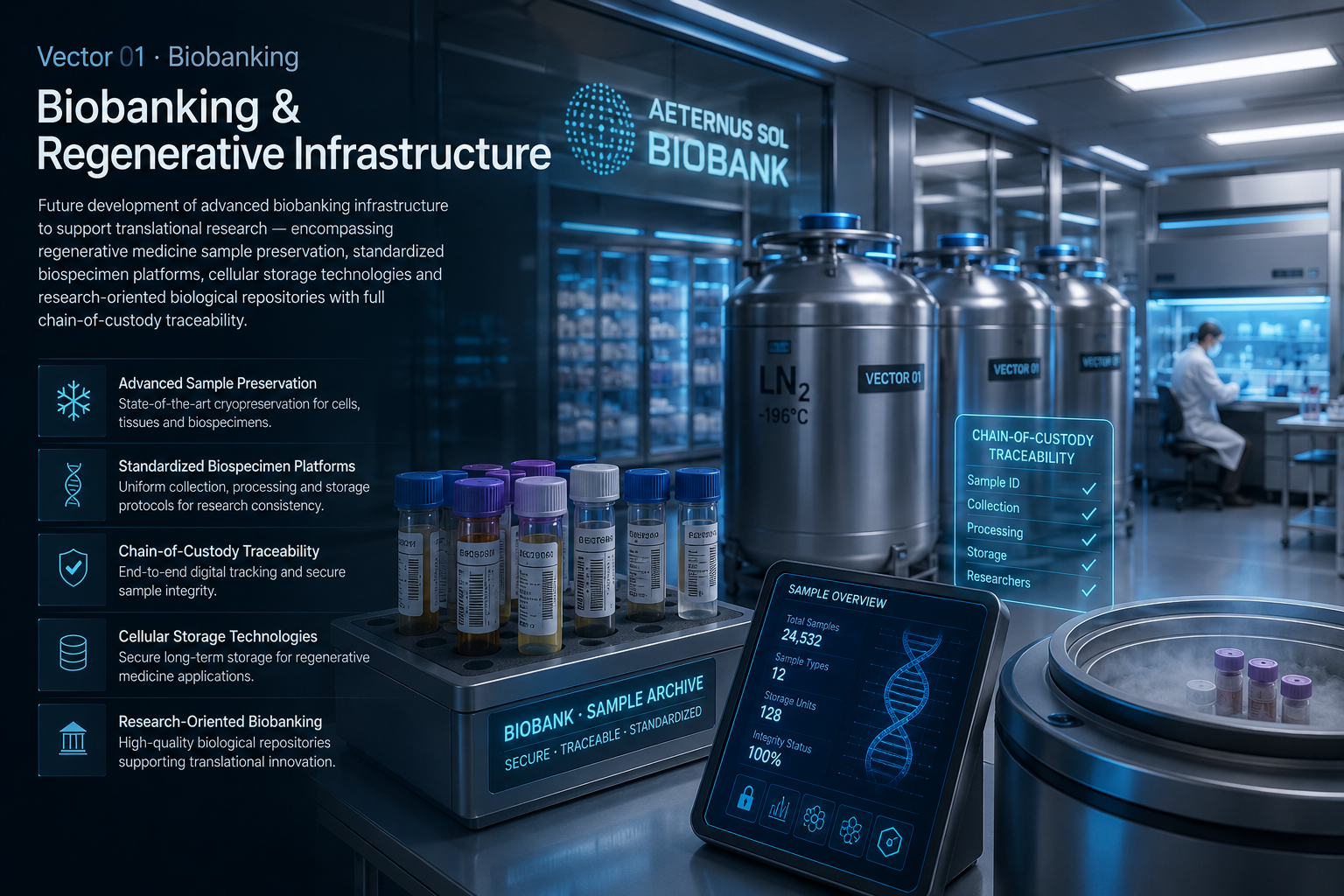
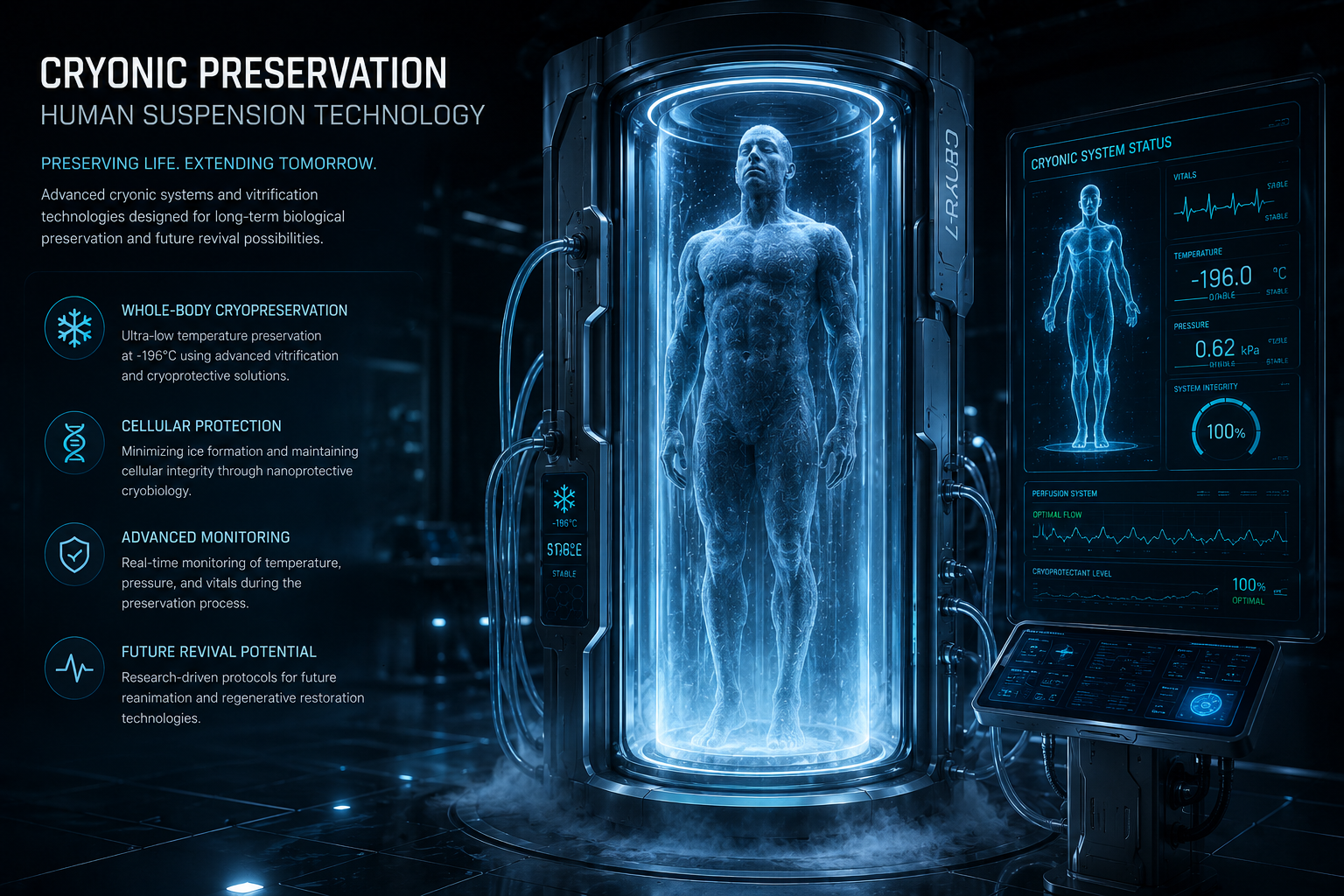
Aeternus Sol Biobank — cryogenic vaults, biospecimen archive and chain-of-custody traceability
Vector 01 · Biobanking

Biobanking & Regenerative Infrastructure

Future development of advanced biobanking infrastructure to support translational research — encompassing regenerative medicine sample preservation, standardized biospecimen platforms, cellular storage technologies and research-oriented biological repositories with full chain-of-custody traceability.

Tiered Cryogenic Vaults
−80 °C / LN₂ vapor phase concepts
Standardized Biospecimens
SOP-driven, traceable workflows
Cellular Storage
MSC, exosome, primary tissue lines
Ethical Governance
IRB · informed consent · audit
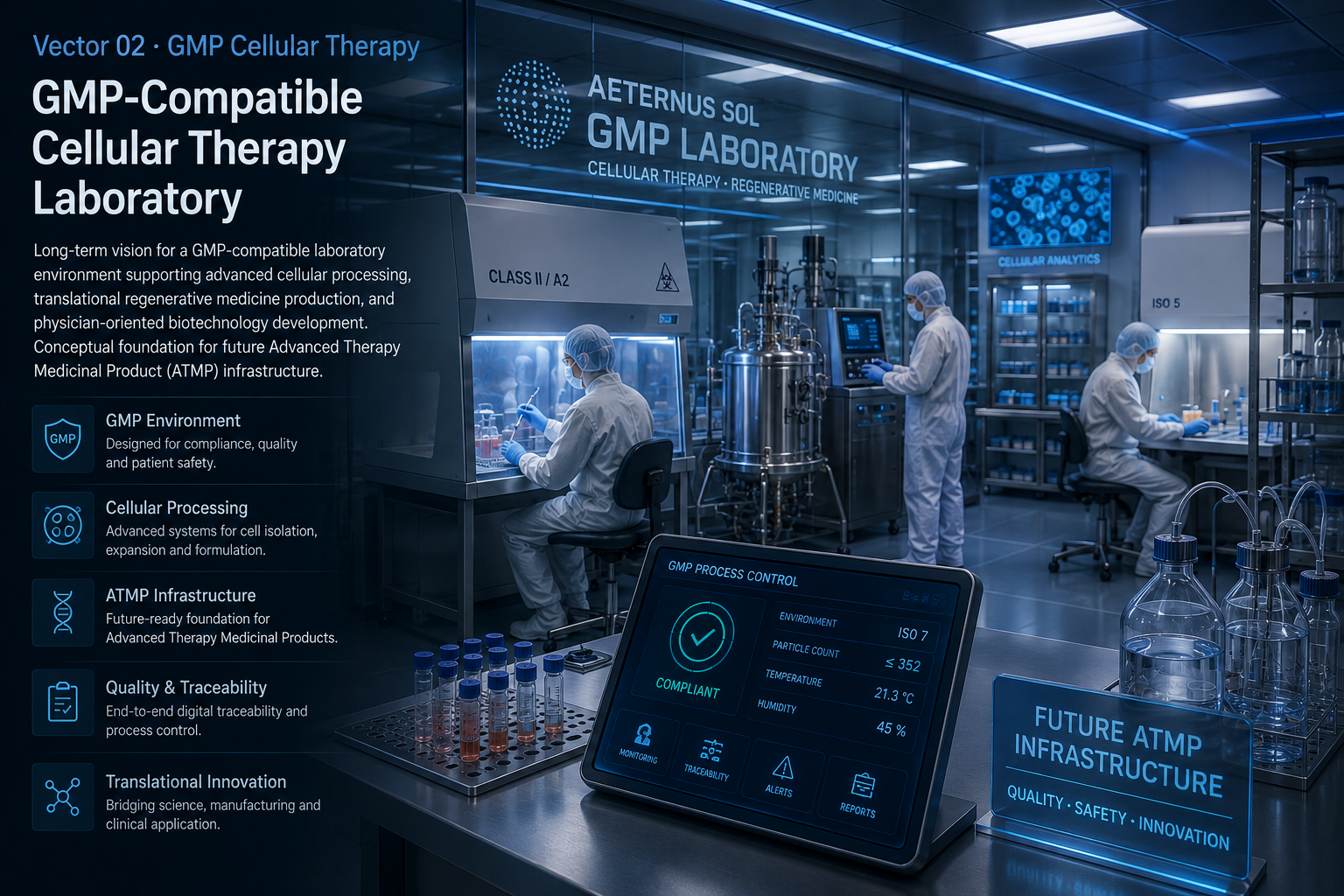
Vector 02 · GMP Cellular Therapy

GMP-Compatible Cellular Therapy Laboratory

Long-term vision for a GMP-compatible laboratory environment supporting advanced cellular processing, translational regenerative medicine production, and physician-oriented biotechnology development. Conceptual foundation for future Advanced Therapy Medicinal Product (ATMP) infrastructure.

Class B / A clean-room concepts
Closed-system cell processing
Quality systems · ISO 13485 alignment
Physician-scientist co-development model
Aeternus Sol GMP Laboratory — cleanroom cellular therapy and ATMP infrastructure
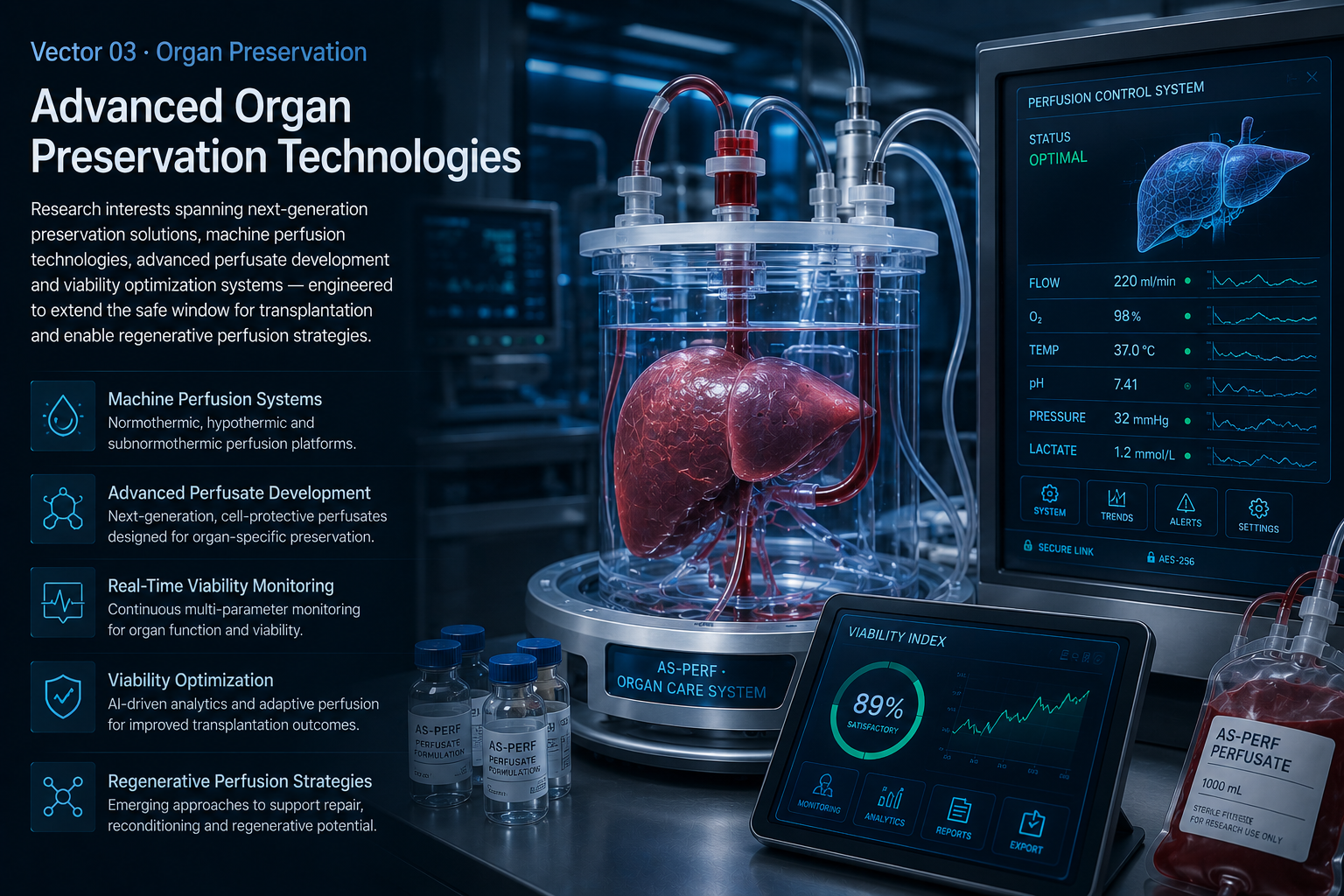
Vector 03 · Organ Preservation

Advanced Organ Preservation Technologies

AS-PERF Organ Care System — machine perfusion, perfusate engineering and real-time viability telemetry

Research interests spanning next-generation preservation solutions, machine perfusion technologies, advanced perfusate development and viability optimization systems — engineered to extend the safe window for transplantation and enable regenerative perfusion strategies.

Machine Perfusion
Normothermic & hypothermic platforms
Perfusate Engineering
Oxygen carriers · cytoprotective additives
Viability Optimization
Real-time biomarker telemetry
Regenerative Perfusion
Cell- and exosome-augmented circuits
Vector 04 · Extracorporeal Support

Artificial Uterus & Organ Support Research

Translational Maternal-Fetal & Extracorporeal Support Platforms

Aeternus Sol explores future extracorporeal support technologies designed to integrate advanced perfusion systems, physiologic monitoring, biomimetic environments and AI-assisted biomedical engineering for maternal-fetal and organ support research.

Framed strictly as advanced translational biomedical research, this program investigates perfusion-assisted developmental environments, intelligent physiologic monitoring and closed-loop biocompatible engineering — pursued with scientific rigor, ethical oversight and multidisciplinary collaboration across surgery, neonatology and biomedical engineering.

Translational ResearchEthics-ReviewedPre-Clinical HorizonMultidisciplinary
Artificial Uterus & Extracorporeal Fetal Support Research Platform — biomimetic developmental environment with perfusion, monitoring and physiologic control systems.
AS-AUS-01 · Research PlatformArtificial Uterus & Extracorporeal Fetal Support Research Platform
Research Pillars
Artificial Uterus Systems

Biomimetic developmental environments designed for translational neonatal and fetal support research.

Extracorporeal Fetal Support

Advanced oxygenation, nutrient delivery and circulation-assisted support concepts.

Intelligent Physiologic Monitoring

AI-assisted monitoring of fetal, metabolic and perfusion parameters in controlled environments.

Translational Organ Support

Future-oriented extracorporeal support systems integrating perfusion and regenerative medicine concepts.

Biomedical Safety & Biocompatibility

Closed-loop biocompatible engineering approaches focused on translational safety research.

Future Neonatal Innovation

Research concepts exploring advanced critical care and next-generation neonatal biotechnology platforms.

Vector 05 · Frontier Preservation & Intelligent Circulation

Frontier Preservation Intelligent Circulation

Cryonic Whole-Body Preservation, Hibernation Research and Next-Generation Perfusion Systems

Aeternus Sol's long-horizon research vision investigates cryonic whole-body preservation, controlled hypothermic and hibernation-like states, metabolic suppression, perfusion-supported tissue and organ preservation, and AI-assisted circulation systems. Positioned strictly as frontier biomedical research and future translational exploration — pursued with scientific rigor, ethical oversight and without sensational framing.

Frontier Biomedical Research Preclinical studies planned · ~2030
Cryonic whole-body preservation and intelligent perfusion research platform
ASB-CRYO-01 · Frontier Platform
Cryonic Whole-Body Preservation & Intelligent Perfusion Research Platform
P-01
Cryonic Whole-Body Preservation

Future-oriented research into whole-body low-temperature preservation, vitrification-inspired concepts and long-duration biological stabilization.

P-02
Hibernation & Metabolic Suppression

Controlled hypothermic and hibernation-like states designed to reduce metabolic activity and extend preservation windows.

P-03
Perfusion-Supported Preservation

Coupled circulation and perfusion systems designed to support organs and tissues during prolonged preservation.

P-04
Intelligent Circulation Systems

AI-assisted physiologic monitoring, whole-body circulation support concepts and next-generation biomedical perfusion engineering.

P-05
Critical Care & Translational ICU

Future applications in transplantation, trauma, organ support and advanced critical care research.

Scientific Vision

Advancing regenerative medicine, translational biotechnology and intelligent surgical technologies through a physician-scientist innovation ecosystem — built on multidisciplinary collaboration, ethical rigor and a long-horizon commitment to advanced organ preservation and biomedical engineering.

Regenerative Medicine
Translational Biotech
Organ Preservation
Surgical Intelligence
Biomedical Engineering
Multidisciplinary
Frontier Research · Maternal-Fetal Platforms

Placental Perfusion Translational Maternal-Fetal Support Technologies

Exploratory device and perfusion engineering concepts for ex-vivo placental circulation, physiologic biologic support and translational maternal-fetal research — designed within a rigorous ethical and scientific framework.

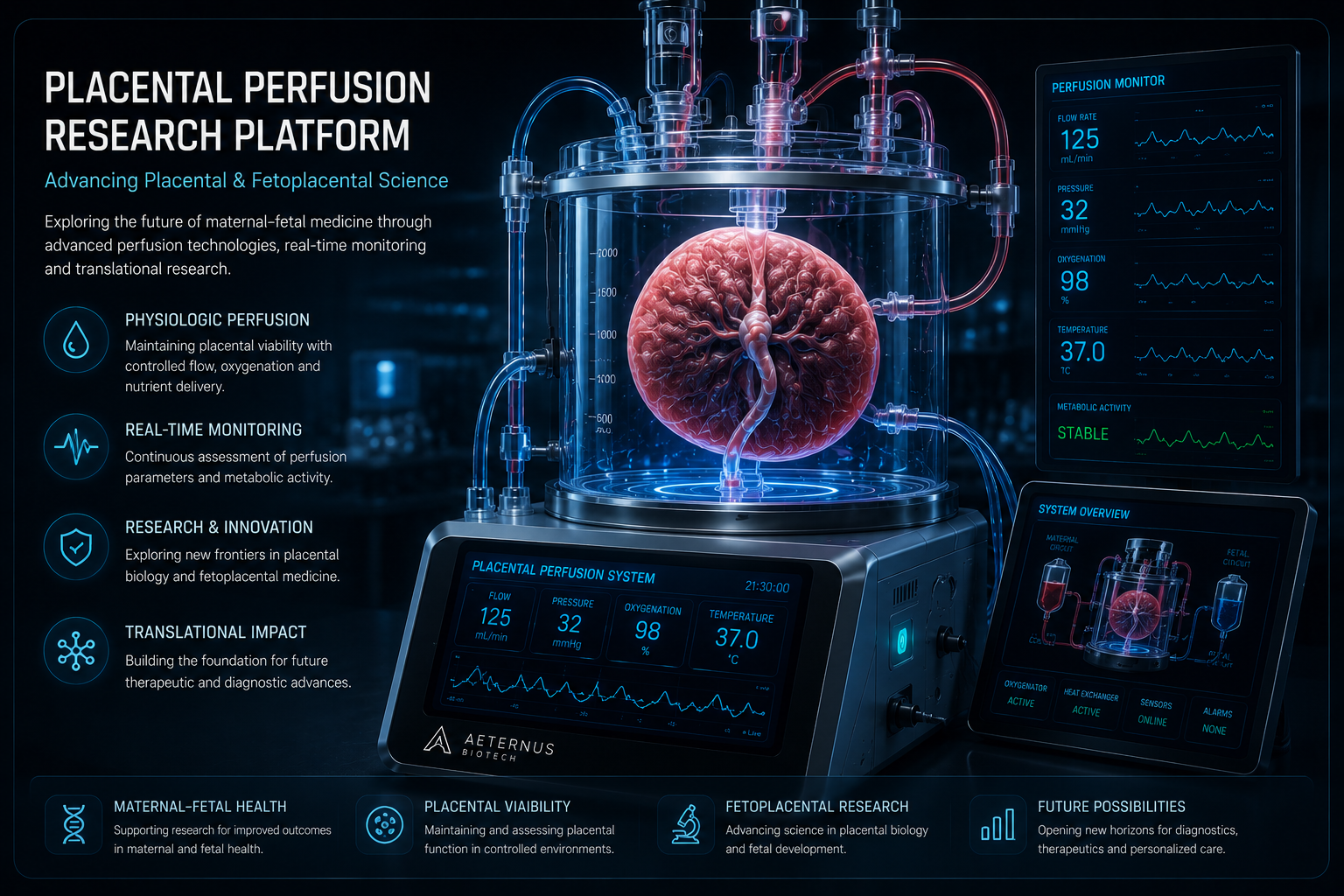
Placental Perfusion Research Platform — cinematic biomedical visualization of an ex-vivo placental bioreactor with perfusion tubing, physiologic monitoring dashboards and maternal-fetal circuit overview
AS-PLC-01 · Maternal-Fetal Research PlatformPlacental Perfusion & Translational Maternal-Fetal Research Platform
Physiologic Circulation Support

Pulsatile, oxygenated perfusion mimicking maternal-placental hemodynamics.

Translational Research Platform

Ex-vivo modeling of maternal-fetal exchange, drug transport and biologic conditioning.

Intelligent Biologic Support

AI-assisted control of flow, gas exchange and metabolic telemetry.

Future Regenerative Support

Foundation for amniotic-derived perfusates and biologic conditioning strategies.

Cellular Processing · Regenerative Diabetes

Pancreatic Islet Isolation Cellular Processing Technologies

Next-generation device concepts for automated pancreatic islet isolation, GMP-aligned cellular processing and translational laboratory automation — building the substrate for regenerative diabetes biotechnology.

Islet Yield Telemetry

Automated Cellular Processing

Purity
92%
Viability
96%
IEQ/g
4.2k
Islet Isolation Systems

Closed-loop digestion, separation and purification architectures.

Laboratory Automation

Robotic handling, traceable workflows and AI-assisted quality control.

Cellular Therapy Engineering

Encapsulation, scaffolding and immunomodulatory cell-product design.

Clean-Room Biotechnology

ISO Class B/A compliant processing for translational therapeutics.

Biologic Processing

Standardized perfusates, cryopreservatives and bioreactor protocols.

Regenerative Diabetes

Translational pipeline toward clinical-grade islet transplantation.

Surgical Oncology · Intracavitary Systems

Hyperthermic Chemotherapy Advanced Intracavitary Oncology Systems

Translational engineering of intelligent hyperthermic intracavitary chemotherapy platforms — combining controlled thermal therapy, real-time temperature mapping and precision oncology support.

HIPEC · Thermal Console

Intracavitary Therapy Telemetry

ACTIVE
Inflow
42.8°C
Outflow
41.6°C
Flow
1.8 L/m
Pressure
12 mmHg
Hyperthermic Delivery

Closed-circuit chemotherapy delivery at therapeutic 41–43°C.

Intelligent Thermal Mapping

Multi-point real-time temperature distribution monitoring.

Precision Oncology Support

Targeted intracavitary dosing with feedback-controlled circulation.

Translational Engineering

Bridging surgical oncology, fluid dynamics and embedded intelligence.

Flagship Project · TÜBİTAK 1001

TÜBİTAK 1001 Translational · Organ Preservation Research Project

A flagship translational initiative investigating amniotic-fluid-conditioned hypothermic ex-vivo perfusion as a novel preservation strategy for the uterus — within an autotransplantation sheep model.

Application Submitted · TÜBİTAK 1001

Hypothermic Ex Vivo Perfusion Conditioned with Human Amniotic Fluid as a Novel Organ Preservation Strategy for the Uterus

A Translational Autotransplantation Sheep Model

A next-generation translational organ preservation research initiative exploring innovative perfusion-based biologic conditioning concepts for reproductive organ support technologies — bridging hypothermic machine perfusion, amniotic-derived bioactive conditioning and experimental autotransplantation modeling.

Uterus PreservationHypothermic PerfusionAmniotic ConditioningAutotransplantationTranslational Research
Uterus Transplantation Research

Advancing reproductive organ transplantation through preservation science.

Hypothermic Perfusion Systems

Sub-physiological perfusion for extended uterine graft preservation.

Advanced Perfusate Development

Amniotic-fluid-conditioned solutions for biologic support.

Regenerative Transplantation

Biologic conditioning to mitigate ischemia-reperfusion injury.

Translational Reproductive Biotech

Bench-to-bedside pipeline for reproductive organ technologies.

Organ Preservation Innovation

Frontier perfusion science within an ethical research framework.

Innovation Ecosystem

Future Innovation · Translational Pipeline

An interconnected ecosystem linking organ perfusion, transplantation research, regenerative medicine, oncology device systems and intelligent biomedical engineering.

Organ Perfusion
Transplantation
Placental Systems
Islet Technologies
Regenerative Medicine
Oncology Devices
Biomedical Engineering
Surgical Platforms
Innovation Portfolio

Patents, Academic Research · Translational Innovation

An interdisciplinary physician-scientist innovation portfolio integrating surgical invention, regenerative biotechnology, organ preservation research, transplantation technologies and advanced translational medicine.

Surgical Innovation & Patent Portfolio
Registered Patent · TR 2020/07024
Filed · 06 May 2020

A Novel Vascular Surgical Instrument for Vascular Closure During Right Hepatic Vein Transection in Living Donor Right Hepatectomy

A patented surgical device engineered for advanced hepatobiliary and transplantation surgery — focused on vascular safety, surgical precision and operative workflow optimization during living donor hepatectomy procedures. The instrument addresses one of the most delicate steps in donor surgery, enabling controlled hepatic vein closure with reduced ischemic stress to the residual liver.

Patent No.
2020/07024
Filed
06 May 2020
STATUS
Registered
Hepatobiliary Surgery

Innovation tailored for living donor hepatectomy workflows.

Transplantation Tech

Designed within the operative ecosystem of LDLT programs.

Vascular Engineering

Precision-engineered for hepatic vein control.

Donor Safety

Reduces vascular risk during right lobe transection.

Precision Instrument

Tactile control with reproducible closure mechanics.

Translational Device

From OR insight to registered surgical IP.

Akdeniz University · Supported Academic Research Projects
Project · 01
07.11.2025 — 09.11.2026
Ongoing

Evaluation of the Protective Effect of Amniotic Fluid Against Ischemia-Reperfusion Injury in Rat Uterus

Translational reproductive medicine study evaluating amniotic fluid as a regenerative protective medium against uterine ischemia-reperfusion injury — bridging organ preservation biology and experimental gynecologic surgery.

Ischemia-ReperfusionAmniotic FluidReproductive Medicine
COORDINATOR
Akdeniz University
Project · 02
2025
Approved

Investigation of the Effect of Human Amniotic Fluid on Preventing Endothelial Damage in Human Saphenous Vein Grafts

Translational vascular biology project assessing human amniotic fluid as a biological preservation medium to protect endothelial integrity in saphenous vein grafts used in cardiovascular surgery.

Endothelial ProtectionVascular GraftsCardiovascular
Researcher
Akdeniz University
Project · 03
2019
Completed

Preoperative and Early Postoperative S100, NSE and GFAP Levels and Postoperative Delirium in Living Donor Hepatectomy

Perioperative neuroscience study correlating serum biomarkers (S100, NSE, GFAP) with postoperative delirium in living donor hepatectomy — advancing translational perioperative medicine in transplantation surgery.

NeuroinflammationPerioperativeLDLT
Researcher
Akdeniz University
Project · 04
2019
Completed

Evaluation of Pre/Postoperative S100B, NSE and GFAP Levels in Kidney Transplantation

Translational transplant medicine investigation profiling neurologic injury biomarkers across the perioperative kidney transplantation continuum to refine neuro-monitoring paradigms.

Kidney TransplantBiomarkersNeurologic Injury
Researcher
Akdeniz University
Scientific Impact & Innovation
Patent-Protected Innovation

Registered surgical IP for hepatobiliary safety.

Regenerative Medicine

Amniotic fluid biology in organ protection.

Transplantation Tech

LDLT, kidney transplantation, perfusion science.

Organ Preservation

Translational preservation strategies & media.

Vascular Biology

Endothelial protection across graft platforms.

Experimental Surgery

Pre-clinical models bridging OR and lab.

Perioperative Neuroscience

Biomarker-driven postoperative monitoring.

Physician-Scientist Ecosystem

Surgical practice ↔ translational research loop.